
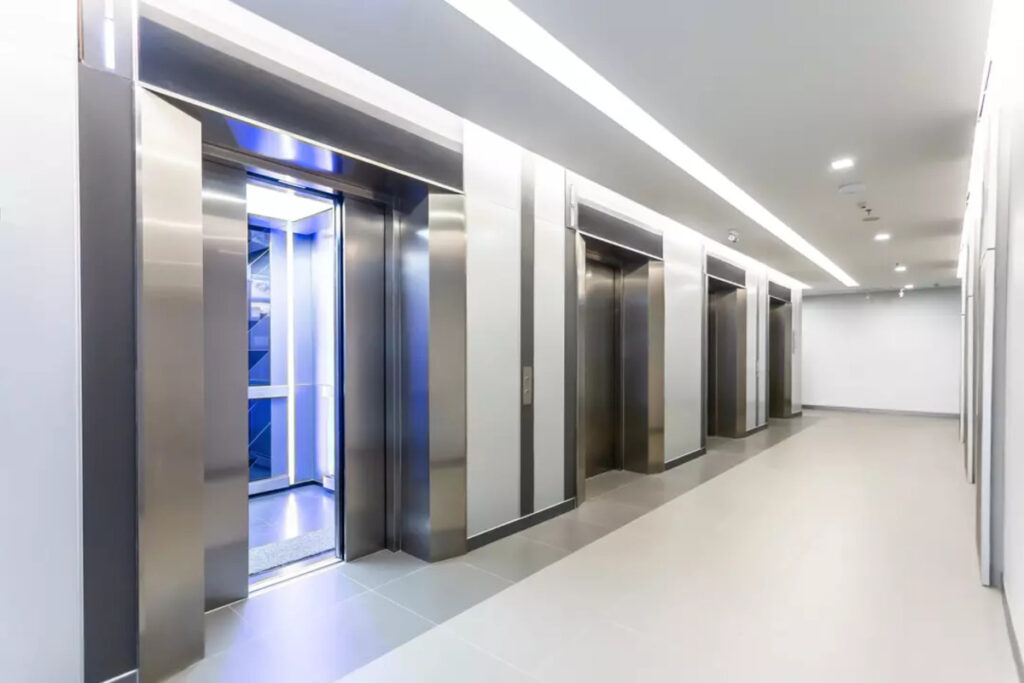
Next time you hop into an elevator, take a moment to catch a glimpse of your reflection in the mirror. While you may just be checking your hair or straightening your outfit, there’s a lot more to that mirror than initially meets the eye. Surprisingly, elevator mirrors play pivotal roles that extend well beyond mere vanity.
Elevator Mirrors: Beyond Just a Look
We’ve all glanced at the mirror in an elevator—maybe to kill time or give ourselves a quick tidy-up. Yet, these mirrors have a long history, fulfilling far more significant purposes than just offering a way to check our appearance.
The modern elevator as we know it was pioneered by Elisha Otis in the mid-1800s, primarily designed to transport people instead of heavy loads. Otis made headlines by introducing an automatic safety system to prevent free falls in case a cable snapped. Fast forward to 1857, and it became standard practice to include mirrors in public elevators. So, what drove this design choice?
Safety and Security Through Reflection
One of the main reasons mirrors were incorporated into elevators is to enhance safety. Passengers can keep an eye on what’s happening around them, which is particularly useful in crowded situations. These mirrors can help identify potential theft or signs of aggression, while also acting as a deterrent against vandalism and unwanted physical interactions. In essence, they encourage a sense of mutual accountability among passengers.
Easing Anxiety with Illusions of Space
Perhaps less apparent, yet equally important, is how mirrors help alleviate anxiety for many elevator users. For those who experience feelings of claustrophobia, being enclosed in a small space can be distressing. Mirrors create an illusion of a larger, more open space, which can help ease anxiety, particularly in high-rise buildings where elevator space is limited. This simple addition has proven effective at making passengers feel more comfortable during their rides.
Accessibility: Aiding Mobility
Mirrors also play a crucial role in ensuring accessibility. For people facing mobility challenges, such as those using wheelchairs, mirrors are instrumental in helping them navigate the elevator more effectively. They provide a view of their position, enabling users to make necessary adjustments, making entry and exit smoother and enhancing their sense of control, thus reducing the likelihood of accidents.
A Simple Distraction for Passengers
Lastly, mirrors can serve as a convenient distraction during brief elevator rides. Whether it’s for a quick hair check, a makeup touch-up, or even snapping a selfie, these mirrors offer an opportunity to pass time. While this may seem minor, it contributes to the overall comfort and convenience of the elevator experience.
However, it’s worth noting that not every elevator is equipped with mirrors. In more spacious or panoramic elevators, the need for mirrors is diminished, as the scenic view effectively enhances the sensation of openness and relaxation.
Conclusion: More Than Meets the Eye
The next time you step into an elevator, take a second look at that mirror. It’s not merely about your appearance; it’s a multifaceted tool serving your safety, comfort, and peace of mind. Whether easing anxiety, providing a quick appearance check, or assisting those with mobility issues, mirrors in elevators fulfill numerous essential functions that many overlook. They truly enhance the elevator experience, making it far more thoughtful than you might have imagined.