
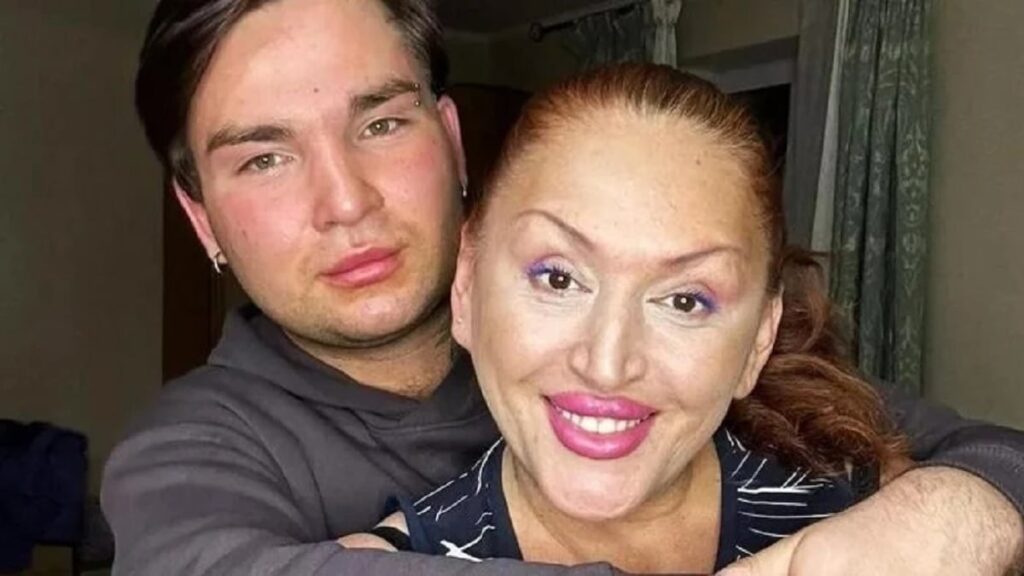
In the Republic of Tatarstan, Russia, a controversial love story has ignited a heated debate, splitting families, communities, and even child protection agencies. At the centre of the uproar is Aisylu Chizhevskaya Mingalim, a 53-year-old music teacher, who has married her 22-year-old adopted son — a decision with profound ramifications.
From Parenting to Partnership
Aisylu first crossed paths with Daniel when he was just 13 years old, living in an orphanage. A year later, she adopted him, offering him a chance at a new life. However, as the years passed, their bond deepened, eventually blossoming into a romantic relationship. By the time Daniel reached his early twenties, the pair were openly declaring their love for one another and ultimately decided to marry.
“Our relationship is perfect,” conveyed Aisylu in an interview with Russian media. “We are completely in sync. We can’t envision a life without each other.”
A post shared by Сервис аналитики маркетплейсов (@chizhevskiy.deni_new)
The Consequences of Their Union
Despite their claims of happiness, their marriage has come with serious repercussions. Child protection services swiftly took action, removing Aisylu’s four other adopted children from her custody. Reports indicate that these children have been placed in foster care or returned to their biological families.
Aisylu views this intervention as a punitive measure. She has expressed her longing to be reunited with the children and has voiced plans to relocate to Moscow, hoping they could “live freely” as a family.
Government Scrutiny Intensifies
The fallout doesn’t stop there. Russian authorities have prohibited Aisylu from adopting more children, raising concerns about her choices and their implications for child welfare. Previously, she had been looking to adopt additional children, having met many through her work as a music educator, but those aspirations were dashed.
Now, Aisylu must navigate her new reality: no longer recognised as a foster mother, she is solely acknowledged as a wife.
Final Thoughts
The marriage of Aisylu and Daniel has ignited discussions surrounding ethics, legality, and societal standards, resonating beyond Tatarstan to an international audience. For some, it serves as a testament of love triumphing against adversity; for others, it signals a deeply troubling breach of trust.
One thing is clear: this union has come with a significant price — Aisylu’s choice has not only recast her future but has also dramatically impacted the lives of the children she once cared for. As the public debates this complex situation, the couple remains steadfast in their conviction that their love is worth every sacrifice.





