
For over twenty years, they quietly lingered atop creaking floorboards, collecting dust and untold stories. Then, as if by magic, a forgotten trove of vintage home computers re-emerged, one cardboard box at a time.
A Rediscovered Treasure with Unexpected Significance
This may sound like the prologue to a nostalgic tech documentary, but the scene was starkly real. Nestled in a weather-beaten barn in Massachusetts, more than 2,200 NABU computers had been stored away since the late 1980s. Their owner, retired engineer James Pellegrini, had purchased these machines with big dreams during a time when home computing was electric and full of potential, with NABU positioned as a front-runner in domestic digital communication.
‘I was absolutely taken by their design,’ Pellegrini reminisced. ‘But ultimately, nothing came of it. The project never launched. I think I only drafted a few sketches.’
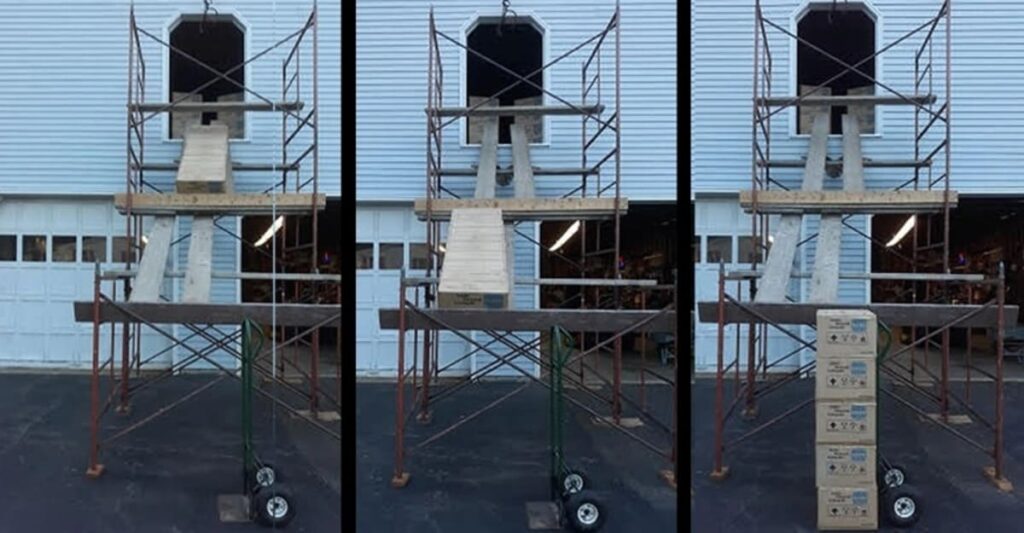
Those sketches were intended to lay the foundation for a business network built around the machines. Instead, life happened, and the stronghold of technology remained untouched, gathering dust in the barn for 23 years. Weighing in at around 22 tonnes, these machines became an unexpected burden for the rural structure, which ultimately began to show signs of stress, whether it was due to the computers or not.
When the boxes were finally pried open years later, the computers inside were surprisingly well-preserved. For aficionados of retro technology, it was akin to uncovering a time capsule.
Transitioning from Dusty Storage to Online Sensation
Faced with escalating storage costs and safety worries, Pellegrini made the decision to part with his collection. His initial approach was modest: a few low-key listings on Craigslist yielded little interest. The audience simply wasn’t there.
Then everything took a turn when the computers hit eBay.
In just days, buyers began snatching them up, each unit priced under €100. Nearly a quarter of the stock was sold almost instantaneously, and soon the entire collection was dispersed among enthusiasts, collectors, and curious individuals looking to possess a piece of early digital history.
The allure of these machines lay not in sheer power; by today’s standards, they are delightfully limited. Buyers were investing in digital heritage, cherishing the physical reminders of an era when computers still held an air of mystery and magic.
Anyone who remembers their inaugural home computer can relate. I still have vivid memories of the hum of a beige desktop booting up in my parents’ living room, feeling as though I was on the verge of something significant, even if I couldn’t fully comprehend it. For many, these NABU machines rekindled that same sense of nostalgia.
Collectors often speak of preservation over profit. Organisations dedicated to preserving computing history consistently underscore the necessity of safeguarding original hardware before it disappears for good. Once discarded, these machines are lost forever.
The Continued Relevance of Vintage Computers
This narrative also reflects our evolving relationship with technology today. We inhabit a world of perpetual upgrades, where devices can feel outdated in just a few years. The excitement generated by decades-old computers serves as a poignant reminder that innovation carries its own history.
NABU computers were pioneers, designed to interconnect households long before the internet became ubiquitous. Their revival signifies a growing appetite for understanding the evolution of modern life.
Moreover, there’s something profoundly reassuring about the conclusion of this story. Rather than being discarded or forgotten until the barn finally succumbed to age, these machines have found new homes. They are set to be restored, displayed, studied, or simply appreciated for their design.
In an era fixated on the next groundbreaking innovation, it turns out there remains a niche for vintage computing, curiosity, and the slow unboxing of history.
Sometimes, progress isn’t merely about forging ahead at breakneck speed. Sometimes, it starts with reopening an old door, brushing off the dust, and recognising that the past still has valuable stories to share.





